DIY vs Professional Repairs: When to Call an Expert
DIY vs Professional Repairs: When to Call an Expert
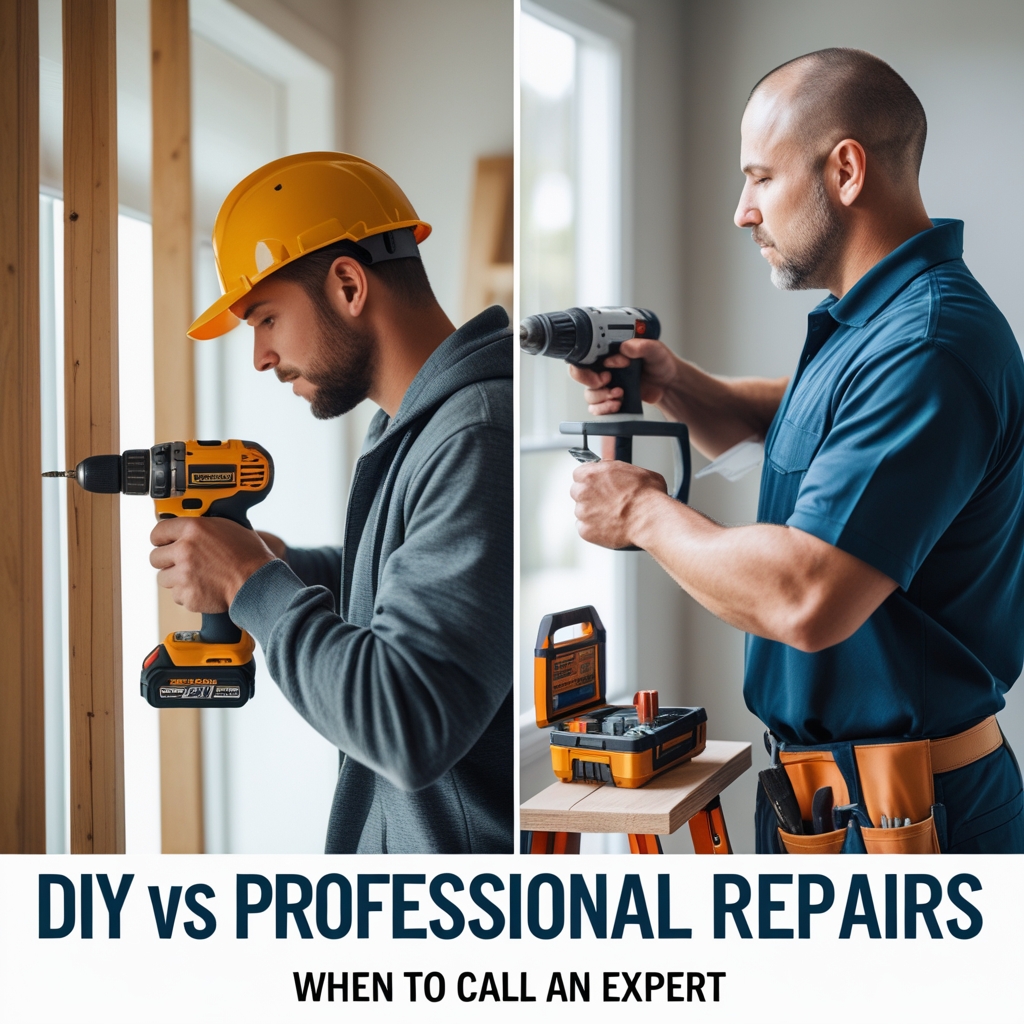
Homeowners often face the dilemma of whether to tackle a repair themselves or hire a professional. While DIY projects can be satisfying and cost-effective, some repairs require expertise, specialized tools, or safety precautions. Understanding when to DIY and when to call an expert is key to protecting both your home and your wallet.
Benefits of DIY Home Repairs
DIY repairs come with several advantages, including:
-
Cost Savings: Handling minor repairs yourself can save on labor costs. For example, replacing a leaky faucet or patching small holes in drywall often requires just basic tools and materials.
-
Skill Development: DIY projects help homeowners learn essential skills for future repairs. Over time, tackling small projects builds confidence and independence.
-
Immediate Solutions: Small issues can often be addressed immediately without waiting for a professional to schedule an appointment.
Risks of DIY Repairs
Despite the benefits, DIY repairs also have risks:
-
Safety Concerns: Electrical, plumbing, and structural repairs can be dangerous without proper training. Mistakes can result in injuries or further property damage.
-
Hidden Problems: Some issues, like water damage behind walls or faulty wiring, may not be apparent. DIY attempts could worsen the problem if underlying issues aren’t addressed.
-
Time-Consuming: DIY projects often take longer than expected. Without experience, you may spend hours trying to troubleshoot and fix something a professional could handle efficiently.
When to Call a Professional
Certain repairs are best left to licensed professionals:
-
Electrical Work: Electrical repairs can be deadly if done incorrectly. Licensed electricians ensure work meets safety codes.
-
Plumbing Emergencies: Burst pipes, major leaks, or sewer issues require professional intervention to prevent water damage.
-
Roofing and Structural Repairs: Roof leaks, foundation cracks, and structural damage need expert assessment to maintain safety and property value.
-
HVAC Systems: Heating and cooling systems are complex and require specialized knowledge to diagnose and repair.
Guidelines for DIY vs Professional Decisions
To decide whether to DIY or hire a professional:
-
Assess Complexity: Simple tasks like painting, minor drywall repairs, or replacing light fixtures are suitable for DIY. Complex tasks like wiring a circuit or replacing a water heater should be handled by experts.
-
Consider Safety: If the repair involves electricity, gas, heights, or structural components, hiring a professional is safer.
-
Estimate Costs: Compare DIY materials and tools with professional service fees. Sometimes, paying a professional avoids costly mistakes.
-
Check Warranty and Insurance: Professional repairs often come with warranties and insurance coverage, which DIY projects do not.
Conclusion
While DIY repairs are rewarding and cost-effective for minor tasks, professional expertise is essential for complex, hazardous, or high-stakes repairs. Understanding your limits, assessing risks, and prioritizing safety ensures your home remains a secure and comfortable space.
HouseWorksPro helps homeowners connect with trusted professionals.